News

Collaborative Knowledge: Second Journalism Science Alliance Cohort Kicks Off 2026 Investigations

Collaborative Knowledge: Second Journalism Science Alliance Cohort Kicks Off 2026 Investigations 2560 1707 journalismsciencealliance

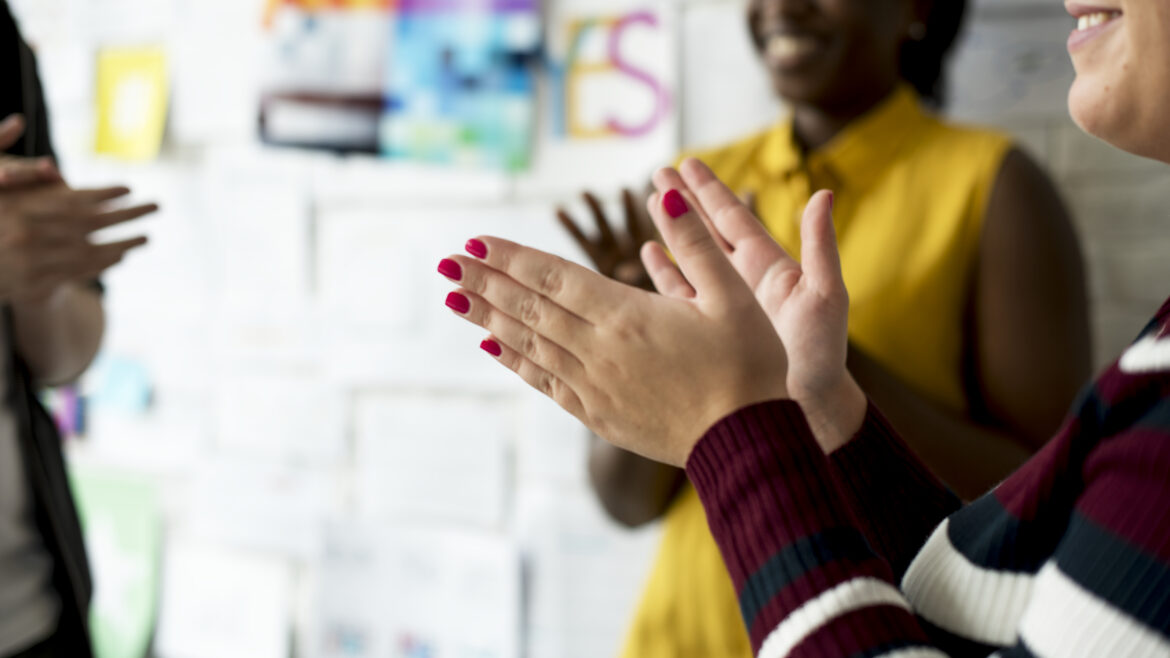
The Journalism Science Alliance hosted its second Meet & Greet session to welcome the grantees from the 2026 call. The virtual session gathered 59 scientists and journalists — representing the 25 newly selected teams — alongside project partners to kickstart this new phase of collaborative investigation.

During the Zoom session held on 16 July, the new cohort introduced their extended teams and the ambitious projects they are launching. This was the first official networking opportunity for the participants, allowing them to find common ground across different borders and disciplines.

Grantees expressed their enthusiasm for joining the second selected cohort of the Journalism Science Alliance, with some media outlets receiving investigative funding for the first time. The projects showcase diverse approaches to data, from exploring existing datasets to creating new, collaborative ones that merge journalistic and scientific perspectives. Scientists are taking on crucial roles, providing technical capacity for analysis, data collection, and verification of claims.

Several journalists noted that while they knew the researchers, this program offers the first real opportunity to work alongside them, moving beyond “covering” their science work to “co-producing” knowledge beyond observing how they work.

Many grantees thanked for the funding and for the opportunity to ask questions about a specific topic. Some teams asked other teams for help in disseminating and sharing ideas.

This second call awarded 995,000 euros in grants to 25 projects, following the success of the first round in 2025. While the lead organisations hail from 14 different countries, the program’s reach extends to a total of 24 countries when considering the full network of collaborators involved in the investigations.

Each team has eight months to complete its investigations, which will be grounded in scientific evidence and supported by expert mentoring and specialized training.

See all the information about the projects here.

Journalism Science Alliance awards nearly €1 million to 25 new journalist-scientist projects

Journalism Science Alliance awards nearly €1 million to 25 new journalist-scientist projects 2560 1709 journalismsciencealliance

The Journalism Science Alliance has reached a new milestone, selecting 25 innovative projects from a record-breaking 177 applications in its second call. This round injects €950,000 in grants, bringing the total program investment to nearly two million euros across 49 projects since its inception.

The selected teams represent a diverse coalition of lead participants and organisations from 14 countries: Bulgaria, Czech Republic, Estonia, France, Germany, Hungary, Italy, Netherlands, Poland, Portugal, Romania, Slovakia, Spain, and Ukraine. Considering the countries of all the participants involved, the number grows to 24 countries.

Over the next eight months, these teams will tackle critical issues ranging from environmental issues to urgent public health and justice concerns. 

Beyond funding, winners will benefit from expert mentoring, specialized training, and unique networking opportunities.

“This milestone reflects the growing global demand for rigorous, science-based investigative journalism,” says the JSA team.

The 2026 call for proposals closed on 23 March and received 177 applications from 49 countries. An independent jury selected the winning proposals.

See more information about the selected projects here.

Since its beginning, the Journalism Science Alliance received a total of 339 applications and selected 49 projects. 

The table below presents the selected media outlets and research institutions, their countries of origin, and the professionals who lead and co-lead the teams selected in this new round.

List of grantees in the 2026 call of the Journalism Science Alliance

CountriesOrganisations
Media outlet | Research organisation
Journalist
(Lead)
Scientist
(Co-lead)
Budget tier
Bulgaria168 Chasa Ltd (24 Chasa media group) | University of National and World Economy (UNWE)Stanimir VaglenovYanko Hristozov€ 50 000
Czech RepublicSamizdat, s.r.o. / The Czech Radio Data Team | Masaryk University, Faculty of Social Studies, Department of International Relations and European StudiesPetr KočíPetr Ocelík€ 50 000
Czech RepublicEkonews For Future Media s.r.o. | Masaryk UniversityMartina PatočkováJakub Hofman€ 50 000
Estonia, LatviaDelfi Meedia | SIA Stockholm School of Economics in RigaHolger RoonemaaEdgars Spuravs€ 50 000
France, NorwayBlast! | UiT The Arctic University of NorwayAriane DenoyelTill Brückner€ 20 000
France, Czech RepublicAgence France-Presse | Masaryk University, Recetox departmentIvan CouronneMartin Scheringer€ 50 000
GermanyInvestigate Europe | Institut für Wissenschaft und Ethik (IWE) at Rheinische Friedrich-Wilhelms-Universität BonnMei-Ling McNamaraAimée van Wynsberghe€ 50 000
Germany, AustriaCORRECTIV – Recherchen für die Gesellschaft gemeinnützige GmbH | Universität SalzburgViera ZuborovaHanan Badr€ 50 000
GermanyKrautreporter | Universität KasselAlisa SonntagKatja Salomo€ 20 000
Hungaryatlatszo.hu Közhasznú Nonprofit Kft. | ELTE Közgazdaság- és Regionális Tudományi Kutatóközpont / ELTE Centre for Economic and Regional Studies (ELTE CERS)Zsuzsa BodnarAndrea Éltető€ 50 000
ItalyGruppo Il Sole 24 ORE | Politecnico di Milano – Dipartimento di Ingegneria GestionaleLuca Salvioli MarianiAlessandro Piva€ 50 000
ItalyScienza in rete – Zadig SRL Società Benefit | Instituto di Ricerche Farmacologiche Mario Negri IRCCSEva BenelliAlice Passoni€ 50 000
ItalyMarea media APS | Università degli Studi di Bari Aldo MoroVittoria TorselloGianlugi De Gennaro€ 20 000
NetherlandsCoöperatie SPIT U.A. | Tilburg UniversityParcival WeijnenBen Vollaard€ 20 000
PolandOKO.press | University of GdańskAnna PamułaMagdalena Chrzan-Dętkoś€ 20 000
PolandRingier Axel Springer Polska | Institute of Public Health, Faculty of Health Science, Jagiellonian University Medical CollegePaulina WójtowiczAnna Zimny-Zając€ 50 000
PortugalA Mensagem d’A Brasileira | Instituto de Geografia e Ordenamento do TerritórioFrederico RaposoEduardo Ascensão€ 50 000
PortugalPúblico | ISCSP – Instituto Superior de Ciências Sociais e Políticas (University of Lisbon)Helena PereiraGuilherme Loureiro€ 50 000
RomaniaFundația9 | Centrul pentru Studiul Comparat al MigratieiIulia HauAnatolie Coșciug€ 50 000
RomaniaFundația PressOne | Interdisciplinary Centre for Advanced Studies (CISA), University of BucharestAndrei PetreDaniel Diaconu€ 20 000
SlovakiaRingier Slovakia Media s.r.o. | Kempelen Institute of Intelligent Technologies€ 50 000
SpainEdicions Digitals de Premsa Local | Universitat de BarcelonaArnau Urgell VidalJoel Segarra Torruella€ 20 000
SpainFundación Maldita.es | University of JaénCoral GarcíaJavier Rodríguez Árbol€ 20 000
SpainClimática | Estación Biológica de Doñana – CSICEduardo Robaina ArtilesMiguel Clavero€ 20 000
UkraineGalka.if.ua | Open Space Works UkraineNataliia KobylchakNataliia Harasivka€ 50 000

Journalism Science Alliance hosts pre-conference at the European Communication Conference 2026

Journalism Science Alliance hosts pre-conference at the European Communication Conference 2026 2560 1707 journalismsciencealliance

The Journalism Science Alliance, in partnership with the FRONTIERS project, is hosting a pre-conference at the European Communication Conference 2026, on September 7, in Brno, Czech Republic. 

The session, entitled “Journalists-scientists relationship: existing models, present and future”, will bring together grantees and collaborators from both the Journalism Science Alliance and FRONTIERS, two European initiatives, for a round table discussion. Starting from the experience of panel members, the audience will be invited to share their own perspective on how the relationship between journalists and scientists is evolving, and where it’s headed.

Participation is free of charge, but registration is required. Register here until 30 June 2026. Spots are limited.

You can find more information here.

Meet the jury for the second Journalism Science Alliance call

Meet the jury for the second Journalism Science Alliance call 2560 1707 journalismsciencealliance

The jury for the second Journalism Science Alliance call has been appointed. We welcome two new members, Vasco Barreto and Alexandra Borchardt, while three returning jurors ensure continuity with the first round. A warm thank you to outgoing members Miguel Castanho and Adriana Homolova for their invaluable contribution.

The jury members for the second call are (in alphabetical order by last name):

  • Vasco M. Barreto is a biologist, university lecturer and researcher, entrepreneur, and science writer whose work focuses on molecular genetics and genetic engineering;
  • Alexandra Borchardt is a senior journalist, independent advisor and university teacher with more than 30 years of experience in newsrooms and management;
  • Sanne Breimer, founder of Inclusive Journalism and a global media strategist, trainer, coach, and researcher;
  • Adam Bychawski, freelance investigative journalist who has received high commendations from judges at the UK Press Awards and the British Journalism Awards;
  • Daniela Ovadia, scientific director of Center for Ethics in Science and Journalism and co-director of the Neuroscience and Society Lab at University of Pavia, Italy.

The new panel will soon begin evaluating the proposals received in the second call, which closed on March 23 with 177 submissions.

All submissions will first undergo a preliminary eligibility check by the Journalism Science Alliance team. Eligible applications will then be assessed by the jury in two steps: an independent evaluation against the selection criteria followed by a consensus meeting for a final decision. Awarded teams are expected to be announced in May. 

The jury assesses applications through a transparent and independent process, free from donor influence, and based on the merit of each proposal.See more information about our jury members here.

Journalism Science Alliance call gathers 177 applications

Journalism Science Alliance call gathers 177 applications 2560 1709 journalismsciencealliance

The most recent Journalism Science Alliance call, which closed on 23 March, gathered 177 applications, surpassing the 162 applicants in the first call.

The Journalism Science Alliance grants cover investigative journalism projects conducted by teams of journalists and scientists. In 2025, 24 teams were awarded grants in a total of 1 M€ and are now working, across Europe, to uncover stories of public interest where science is relevant to ascertain facts. In this second round, the programme will award an additional one million euros in grants.

The 2026 call involved applicants from 49 different countries. In terms of lead applicants, the top 5 countries were Italy, Spain, Portugal, North Macedonia, and France. As in the first call, most applicants opted for the upper tier (€50,000) signalling larger or more complex projects.

Top 5 lead applicants’ countries
Italy – 22
Spain – 20
Portugal – 17
North Macedonia – 11
France – 10

All applications will now undergo validation and will be evaluated by an independent jury, with selected teams expected to be announced in May 2026. Once notified of the results, teams will sign the agreements to receive their first instalment.

Combining both calls, the Journalism Science Alliance received a total of 339 applications, greatly exceeding the initial expectations of this programme. We thank all applicants for their interest and submissions.

This two-year programme, which began in April 2025, was designed to provide grants for investigative journalism projects of teams bridging the gap between journalism and scientific expertise to deliver high-quality, impactful stories to the European audience.

Read more about the Journalism Science Alliance grants here.

77 potential grantees attend the second AMA session of the 2026 call

77 potential grantees attend the second AMA session of the 2026 call 2560 1707 journalismsciencealliance

The second Ask Me Anything (AMA) session of the 2026 Journalism Science Alliance (JSA) call for grants was attended by 77 potential grantees, with roughly two weeks remaining until the application deadline.

The second call for JSA grants is open until 23 March at 17:00 CET.

In total, 146 potential grantees attended the two AMA sessions regarding the current call: 69 in the first session on 5 February and 77 in the second session this Thursday, 5 March.

Both sessions were held online and began with a brief presentation about the JSA programme and the eligibility criteria for the call. The programme offers grants to support collaborations between journalists and scientists working on investigative journalism projects backed by science.

Participants were able to ask questions and receive clarifications from our team regarding eligibility criteria, programme requirements, and the application process.

This was the final AMA session of the JSA programme.

You can find more information about JSA grants on this page.

69 potential grantees in the first AMA session of the 2026 call

69 potential grantees in the first AMA session of the 2026 call 2560 1707 journalismsciencealliance

The first Ask Me Anything (AMA) session of the Journalism Science Alliance (JSA)’s current call for grants was attended by 69 potential grantees on Thursday, 5 February.

The present call for JSA grants is open until 23 March at 17:00 CET.

The session occurred online and started with a presentation about JSA and the eligibility criteria to apply for our call offering grants to support collaborations between journalists and scientists working on investigative journalism projects backed by science.

Afterwards, the participants asked questions and our team clarified doubts regarding the eligibility criteria, the requirements of the programme and the application process.

For those who were unable to attend this session but are interested in applying for JSA grants, there will be another AMA session on 5 March at 11:00 CET.

You can find more information about JSA grants on this page.

Ten tips for applicants from the Journalism Science Alliance judges

Ten tips for applicants from the Journalism Science Alliance judges 2560 1707 journalismsciencealliance

Interested in applying for a Journalism Science Alliance grant? After the evaluation of the proposals in the 2025 call, we asked our jury members for their opinions, and they kindly shared their tips for future applicants. The 2026 call is now open.

Whether you already have a well-thought-out project or just a glimpse of an idea, check out these ten pieces of advice our jury members have shared with us before submitting your application.

Tips on the project idea

  • Do pre-research to ensure there is a story to tell, and think very carefully about the angle of your investigation and your hypothesis. This is mandatory in science, and similarly important for a journalism-science project. Have a very focused question and a clear goal for your journalistic investigation.
  • Integrate the scientists into the project and give them a key role – don’t treat them as an afterthought. Make the most of the scientists’ capabilities and what they can offer to the project.
  • Identify the complementarities and synergies of the collaboration: what will you achieve together as a journalist-scientist team that you couldn’t achieve separately? What is the added value of your interaction?
  • Be innovative with the topics. Climate change, war, and health were three areas where there were a lot of proposals in Call 2025. Thinking outside the box and looking for underreported topics might be a good strategy
  • Sit down with the researcher and build on something truly innovative in terms of collaboration, bearing in mind that this is about investigative journalism grounded in scientific evidence – not science journalism or a research project.

Tips on the application form

  • Clarify who the scientific partner is and what contribution it brings. There must be an autonomous contribution from science to the project. This may be more challenging when social sciences are involved, but you must explicitly state the role of the scientific partner in the project.
  • Avoid overwhelming the reader with excessive information as this makes it more difficult to understand your project. The application should clearly identify your goal, method(s) and expected outcome(s).
  • Communicate your application as clearly as possible. This makes all the difference to the judging panel. Think carefully about how to present your story to someone who is reading about it for the first time, among dozens of other proposals.
  • Be as specific and concrete as possible. For a jury member it’s easier to analyse your proposal if you are more specific regarding key points and goals and provide relevant details. Avoid generic or overly broad formulations.
  • Keep your application focused. Over-promising can undermine credibility regarding your ability to achieve the proposed objectives.

The Journalism Science Alliance thanks our judges Sanne Breimer, Adam Bychawski, Miguel Castanho, Adriana Homolova, and Daniela Ovadia for their time and support.

Learn MORE about our grants for investigative journalism backed by science and see details about the latest call for applications.

New open call for grants for investigative journalism backed by science

New open call for grants for investigative journalism backed by science 2560 1707 journalismsciencealliance

The 2026 call for applications for the Journalism Science Alliance grants opens today. Following the call in 2025, the programme, co-funded by the European Union, will award an additional one million euros in grants to journalist-scientist teams across Europe who want to develop investigative journalism projects backed by science.

These grants aim to fund, over an eight-month period, the production of high-quality investigative journalism work based on scientific evidence, with local, regional and transnational impact. The projects must address issues of public interest.

Applications will remain open until 23 March 2026, at 17:00 CET

Journalists from all media formats – print, broadcast, digital, multimedia, and documentary – and scientists from any relevant discipline are welcome to apply. Each team must include at least one media outlet (lead applicant) and one research or academic institution (co-lead), including universities.

In addition to funding, selected teams will receive mentorship, access to training sessions, and opportunities to participate in networking events with other grantees.

Teams can apply for grants of € 10 000, € 20 000 or € 50 000, depending on the scope of their project, the complexity of the proposed investigations, the number of partners involved, the nature of the tasks, and the tentative timeline.

The first call of the Journalism Science Alliance, in 2025, selected 24 projects of journalist-scientist teams from 15 countries, awarding almost one million euros in grants.

Applications must be submitted in English through the European Journalism Center Platform.

Learn here more about the Journalism Science Alliance grants and how to apply.

First grantees from Journalism Science Alliance share their goals at the Meet & Greet 

First grantees from Journalism Science Alliance share their goals at the Meet & Greet  2560 1707 journalismsciencealliance

The Journalism Science Alliance hosted its first Meet & Greet session to welcome grantees from the 2025 call. The session gathered 51 scientists and journalists from the selected teams and some opportunities for collaboration between different teams have already emerged.

During a Zoom session held on 20 November, grantees introduced themselves, their extended teams and the projects they are about to start.

Grantees expressed how excited and enthusiastic they are about being part of the first selected cohort of Journalism Science Alliance, underlining that journalism and science together can tackle public interest matters, give voice to communities and increase public awareness in an enriching way.

The first call of the Journalism Science Alliance awarded almost one million euros in grants to 24 selected projects of journalist-scientist teams from 15 countries: Belgium, Bulgaria, Croatia, Czech Republic, Finland, Germany, Italy, Netherlands, North Macedonia, Poland, Portugal, Romania, Serbia, Slovenia and Spain.

The teams now have eight months to complete their projects of investigative journalism grounded in scientific evidence. Many projects deal with environmental issues, but other topics such as health, justice, politics, misinformation, or AI are also covered.

See all the information about the projects here.