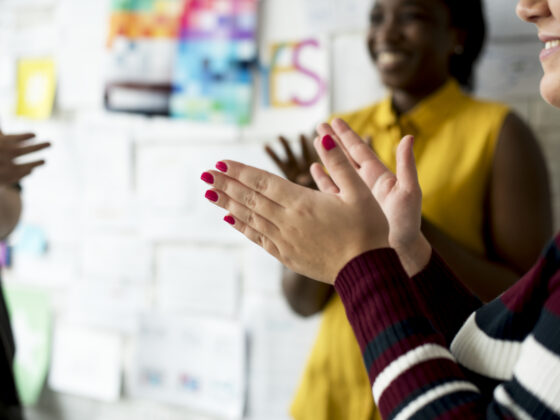
The Journalism Science Alliance hosted its second Meet & Greet session to welcome the grantees from the 2026 call. The virtual session gathered 59 scientists and journalists — representing the 25 newly selected teams — alongside project partners to kickstart this new phase of collaborative investigation.
During the Zoom session held on 16 July, the new cohort introduced their extended teams and the ambitious projects they are launching. This was the first official networking opportunity for the participants, allowing them to find common ground across different borders and disciplines.
Grantees expressed their enthusiasm for joining the second selected cohort of the Journalism Science Alliance, with some media outlets receiving investigative funding for the first time. The projects showcase diverse approaches to data, from exploring existing datasets to creating new, collaborative ones that merge journalistic and scientific perspectives. Scientists are taking on crucial roles, providing technical capacity for analysis, data collection, and verification of claims.
Several journalists noted that while they knew the researchers, this program offers the first real opportunity to work alongside them, moving beyond “covering” their science work to “co-producing” knowledge beyond observing how they work.
Many grantees thanked for the funding and for the opportunity to ask questions about a specific topic. Some teams asked other teams for help in disseminating and sharing ideas.
This second call awarded 995,000 euros in grants to 25 projects, following the success of the first round in 2025. While the lead organisations hail from 14 different countries, the program’s reach extends to a total of 24 countries when considering the full network of collaborators involved in the investigations.
Each team has eight months to complete its investigations, which will be grounded in scientific evidence and supported by expert mentoring and specialized training.
See all the information about the projects here.